


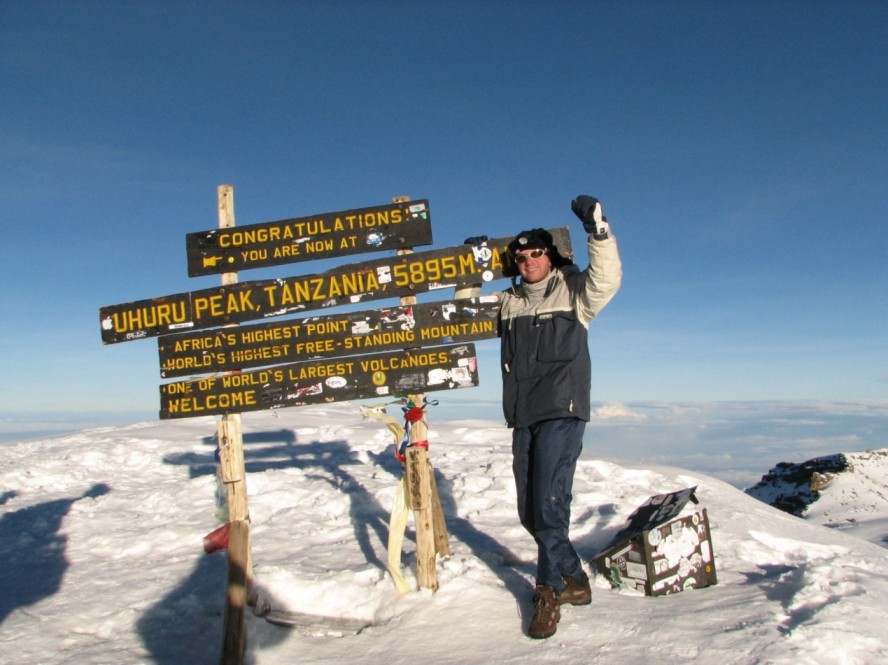
🏔️ How Hard Is It to Climb Kilimanjaro? A Complete Guide for First‑Time Trekkers
Climbing Mount Kilimanjaro — Africa’s highest peak at 5,895m — is one of the world’s most iconic bucket‑list challenges. But how hard is it really? Can beginners climb Kilimanjaro? What route should you choose? How much does it cost? And when is the best time of year to climb?
This guide covers everything you need to know before you climb Kilimanjaro, with clear, practical detail and SEO‑friendly information for anyone researching the adventure.
⭐ Is Climbing Kilimanjaro Hard? (The Honest Answer)
Yes — climbing Kilimanjaro is challenging, but it’s achievable for most reasonably fit people. The difficulty comes from:
- High altitude
- Long trekking days
- Cold temperatures near the summit
- Mental resilience required on summit night
Kilimanjaro is a non‑technical climb — no ropes, no ice axes, no climbing skills needed. It’s a high-altitude trek, not a mountaineering expedition.
🫁 Altitude & Acclimatisation: The Real Challenge
Altitude is the number one reason climbers fail to reach the summit.
Common altitude symptoms:
- Headache
- Nausea
- Loss of appetite
- Fatigue
- Shortness of breath
How to improve acclimatisation:
- Choose a longer route (7–9 days)
- Walk slowly (“pole pole”)
- Stay hydrated
- Eat regularly
- Take acclimatisation hikes
⚠️ Important Diamox Warning
Some climbers use Diamox (acetazolamide) to help with acclimatisation.
You must consult your doctor or a qualified medical professional before taking Diamox or any altitude‑related medication.
It is not suitable for everyone, and only a medical professional can advise on dosage, suitability, and potential side effects.
🗺️ Kilimanjaro Routes Explained (Difficulty, Length & Success Rates)
Choosing the right route is one of the biggest factors in your success.
Lemosho Route (8–9 days)
Best acclimatisation, stunning scenery, high success rate.
Machame Route (7 days)
Most popular, scenic, moderate–hard.
Rongai Route (6–7 days)
Quiet, remote, steady ascent.
Marangu Route (5–6 days)
Huts instead of tents, but poor acclimatisation.
Northern Circuit (9 days)
Longest, best acclimatisation, highest success rate.
🧭 How Long Does It Take to Climb Kilimanjaro?
Most climbs take 6–9 days.
Longer = better acclimatisation = higher summit success.
🧗 How Fit Do You Need to Be?
You don’t need to be an athlete — but you should be comfortable with:
- 5–7 hours of trekking per day
- Consecutive days of hiking
- Carrying a small daypack
- Cold temperatures
❄️ How Cold Does It Get on Kilimanjaro?
- Rainforest: 15–25°C
- Alpine desert: 0–10°C
- Summit night: -10°C to -20°C
🎒 Essential Gear for Climbing Kilimanjaro
- Waterproof boots
- Thermal layers
- Down jacket
- Waterproof outer shell
- Trekking poles
- Headtorch
- Hydration system
🌤️ Best Time of Year to Climb Kilimanjaro (And What Weather You’ll Actually Face at Each Altitude)
You can climb Kilimanjaro year‑round, but the mountain has two dry seasons and two rainy seasons — and the weather changes dramatically depending on your altitude.
To understand the seasons properly, you need to know how rainfall behaves on the mountain.
🏔️ How Rainfall Works on Kilimanjaro (Altitude Matters)
Rain doesn’t fall evenly across the mountain. As you climb, the type of precipitation changes:
🌴 Rainforest Zone (1,800–3,000m) — Where the real rain happens
This is the wettest part of Kilimanjaro.
During rainy seasons, expect:
- Heavy downpours
- High humidity
- Muddy, slippery trails
- Warm temperatures despite the rain
If you climb in April–May or November, you will almost certainly get wet here.
🌾 Heather & Moorland Zone (3,000–4,000m) — Light rain, mist, and cloud
Rainfall decreases sharply above the rainforest.
You may still encounter:
- Light showers
- Drizzle
- Thick mist
- Cloudy afternoons
🏜️ Alpine Desert Zone (4,000–5,000m) — Rain becomes rare
This zone is dry, windy, and exposed.
Instead of rain, you’re more likely to face:
- Strong winds
- Sudden temperature drops
- Occasional sleet or hail during rainy seasons
Even in the wettest months, heavy rain is unlikely this high up.
❄️ Arctic Summit Zone (5,000m+) — Snow, not rain
At the summit, precipitation falls as:
- Snow
- Ice crystals
- Frost
- Wind-driven spindrift
During rainy seasons, moisture lower down can translate into fresh snowfall near the summit, making summit night colder and more demanding.
📅 Kilimanjaro Seasons Explained
Now that you understand how weather behaves at different altitudes, here’s how each season affects your climb.
☀️ Dry Season 1: January – March
One of the best times to climb Kilimanjaro.
- Warm, clear mornings
- Stable weather higher up
- Occasional clouds in the afternoon
- Fewer climbers than summer
- Snow possible at the summit, but conditions are good
Rainforest may still get brief showers, but higher zones are generally dry.
☀️ Dry Season 2: June – October
Peak season — the most reliable weather.
- Very stable conditions
- Clear skies for photography
- Cooler temperatures
- Busy trails
- Minimal rainfall at all altitudes
This is the easiest time to climb Kilimanjaro in terms of weather.
🌧️ Rainy Season 1: April – May
The wettest period — challenging but beautiful.
Rainforest zone:
- Heavy daily rain
- Slippery, muddy trails
- High humidity
Higher zones:
- Light rain or mist
- Occasional sleet/hail
- Snow possible near the summit
Benefits:
- Very few climbers
- Lush green rainforest
- Dramatic cloud formations
Drawbacks:
- Harder trekking conditions
- Wet gear early in the climb
- Cold summit night if fresh snow falls
🌦️ Rainy Season 2: November
Short rains — less intense but still unpredictable.
Rainforest zone:
- Frequent showers
- Warm but wet conditions
Higher zones:
- Cloudy afternoons
- Light rain or drizzle
- Chance of summit snow
Benefits:
- Quieter routes
- Good value trips
- Less extreme than April–May
Drawbacks:
- Unpredictable weather
- Wet lower sections
🧭 Which Season Is Best for You?
- Best overall conditions: June–October
- Great weather + fewer crowds: January–March
- Budget-friendly + quiet trails: November
- For lush scenery (but harder): April–May
Win a Kilimanjaro Climb with Adventure Competitions
Dreaming of climbing Kilimanjaro?
Adventure Competitions gives you the chance to win a Kilimanjaro climb through our regular adventure prize draws.
We specialise in:
- Bucket‑list adventures
- Adventure holidays
- Expedition travel
- Outdoor challenges
- Once‑in‑a‑lifetime experiences
Our Kilimanjaro competitions include a fully guided climb, professional guides, porter support, meals, accommodation, and everything you need for the ultimate African adventure.
👉 Adventure Competitions — Win a Kilimanjaro Climb
👉 Weekly adventure prize draws
👉 Bucket‑list travel competitions